Basics + Getting Started
Who do you typically work with? What are your specialties?
I currently provide therapy to adults ages 18-60. While I am most experienced working with millennial and gen z women, I love working with folks of many ages and gender presentations, and I am proudly a queer- and trans-affirming therapist. As a parent myself, I also especially enjoy working with parents, whether new first-timers or empty nesters.
My primary specialty is Obsessive Compulsive Disorder (OCD). Whether someone has suspected the intrusive thoughts they’ve experienced since childhood are actually OCD, or they’ve been formally diagnosed since age 5, I love working with people at all stages of their OCD journey. While I enjoy working with all OCD themes and presentations, I have additional expertise in treating Relationship OCD (ROCD), which involves excessive doubt, anxiety, and intrusive thoughts around (primarily romantic) relationships.
Learn more about my OCD work here!
In addition to OCD, I also work with folks struggling with other anxiety-based disorders such as panic disorder, specific phobias, and social anxiety disorder.
How do I know if we would be a good fit working together?
Amazing question. Having a good fit therapist that you feel comfortable and safe with is so incredibly important! You can get a sense of our therapeutic fit together through a free consult call, but I would also encourage you to reflect on the points below:
We might work well together if…
You have a hunch that the intrusive thoughts and rumination you’ve experienced for years may be more than just general anxiety.
You have diagnosed OCD but have never engaged in ERP or any other targeted treatment.
You’re feeling curious about ERP and are looking for a safe, nonjudgmental space to get started
You like a therapist who is willing to laugh at herself, and uses some humor to balance out the often dark and difficult work of OCD therapy
Having a therapist with lived OCD experience (or working with a fellow parent!) is important to you
It’s important to you that your therapist has strong progressive values and is willing to examine how systems, socially constructed rules, roles + ideals inform our mental health
You’ve noticed a pattern of anxiety and doubt in multiple romantic relationships that feels excessive and incredibly distressing, and are looking for clarity and change.
I think I’m interested in starting therapy together but don’t know how to get started. What should I do first?
A great first step is scheduling a free consultation call with me at a time that works best for you. These calls are typically about 15-20 minutes long and allow both of us to get a sense of our ~vibe~ together as client and therapist. You are able to share with me what you’re looking for out of therapy (and in a therapist!) and I can share more about the type of therapy I offer and how I practice. We can also go ahead and schedule a first session during this consult call should the stars align!
Do you offer telehealth sessions in Maryland?
Yes! Affirm + Empower is currently a virtual-only therapy practice. I offer teleheatlh sessions to Maryland residents via Google Meet, a secure, HIPAA-compliant video platform. I love that offering virtual therapy allows me to work with clients all across the state!
What would our first session of therapy look like?
The first session of therapy is generally a little different than the ones that follow! We will go over some general practice policies like scheduling, cancellations + lateness, communication, confidentiality and mandated reporting. The rest of the session is primarily information gathering so I can learn more about you! I’ll gather information about your current symptoms, goals, and needs, your upbringing and history, relevant social factors, etc. This all allows me to get a greater picture of you so that we can collaboratively create our therapy “roadmap” in the sessions to come!
How long is a therapy session? How often would we meet?
Therapy sessions are generally 55 minutes long. I also am now offering extended (75 minute) sessions upon request! In terms of frequency of therapy, this can depend on your preferences, mutual availability, and your current level of need. I meet with most therapy clients on a weekly or biweekly (every-other week) schedule. For my clients in ERP, I also offer the option to meet twice per week to increase the impact and efficacy of therapy!
Fees, Insurance, Etc.
What are your rates for the services you offer?
Individual Therapy Session (Including ERP) 55 minutes $170
Individual Extended Therapy Session (Including ERP) 75 minutes $190
Individual Supervision for LMSWs 1 hour $100
Group Supervision for LMSWs 1 hour $50
Do you accept insurance?
In short, no. I currently do not have contracts with any insurances, and am considered an out-of-network provider.
That said, there are some insurance plans that offer out-of-network benefits. These plans allow you to submit a Superbill (a document I provide upon request, essentially a receipt of services I provided in a given time period) in exchange for partial or full reimbursement of the session fees.
How can I find out if my insurance has out-of-network benefits?
Great question! I utilize a benefit checker tool through Thrizer with many potential clients to see if their insurance plan offers out-of-network benefits. You can check out the benefit checker yourself right here! I also highly recommend calling your insurance company to get the most up-to-date and detailed information about what out-of-network benefits your plan might have. Here are some questions that might be helpful when asking your insurance provider about out-of-network coverage:
Does my plan have out-of-network benefits that can be used for therapy/mental health services?
Do I have an out-of-network deductible that must be met before I can receive reimbursement? If so what is the deductible amount?
What dollar amount or percentage of each session fee will be reimbursed?
Is there a limit to how many sessions will be covered/reimbursed by my OON benefits?
Is there a best way to submit superbills for reimbursement?
How long can I expect reimbursement to take?
Do you offer sliding scale or reduced rate therapy services?
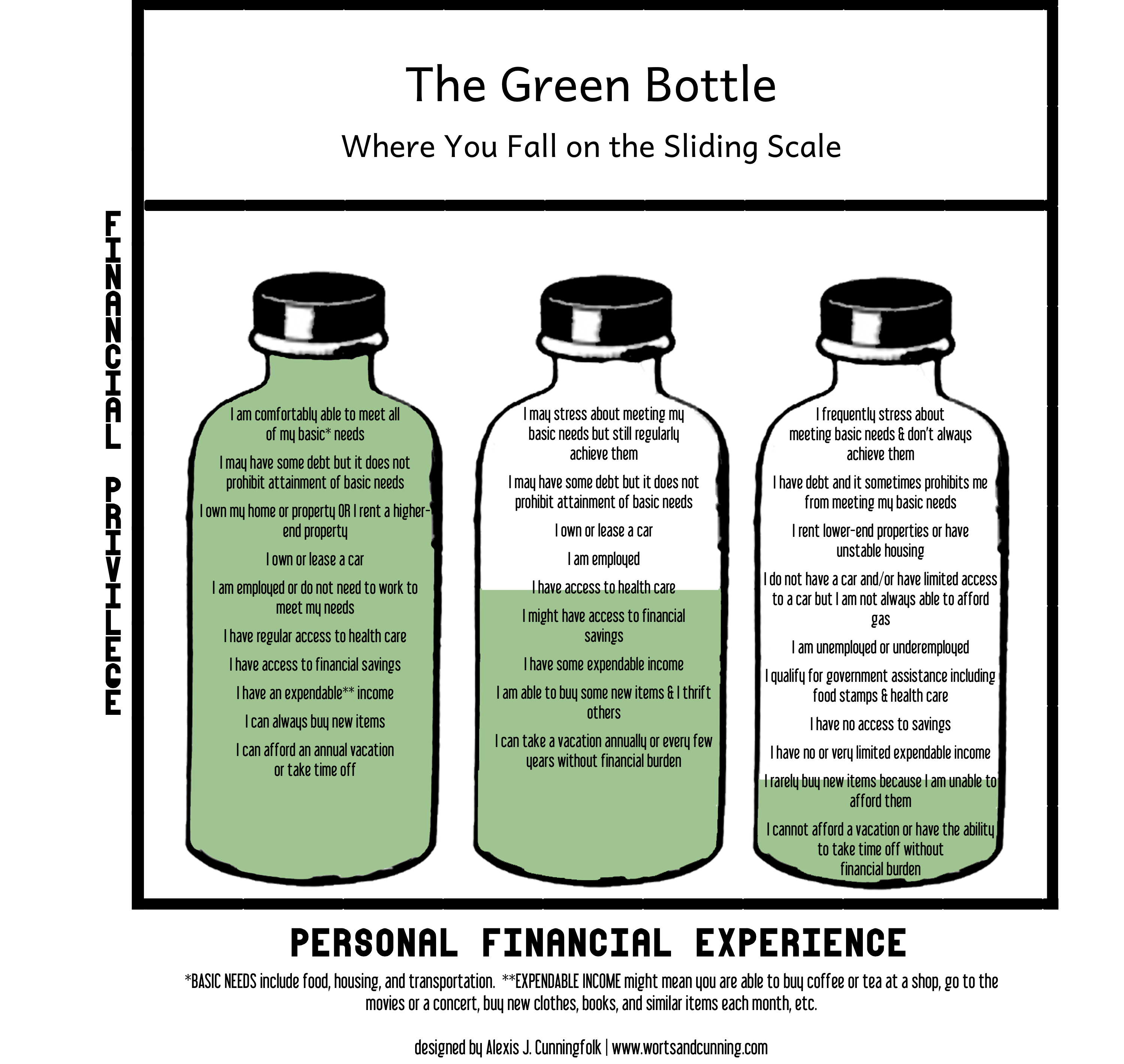
I do! I reserve a limited number of reduced-fee spots on my caseload. These rates are determined through a number of factors including financial circumstances, presence of intersecting/marginalizing identities such as race, gender presentation, and/or sexuality, desired frequency of treatment, and scheduling availability.
If you are thinking about requesting a reduced rate, I encourage you to check out the Green Bottle graphic, developed by Alexis J. Cunningfolk. This tool provides tangible examples to help you reflect on your level of financial need and/or privilege and where you may fall on the sliding scale (a significantly reduced, slightly reduced, or full fee). It also feels important to say that my clients who are financially able to pay my full session fees make it possible for me to open more reduced fee spots for clients who cannot.